Symposium 2025
“New ways to unburden”
Special Focus: Post-infectious Diseases
17th and 18th October 2025 · Conference Hotel Schloss Marbach, Germany (Bodensee)
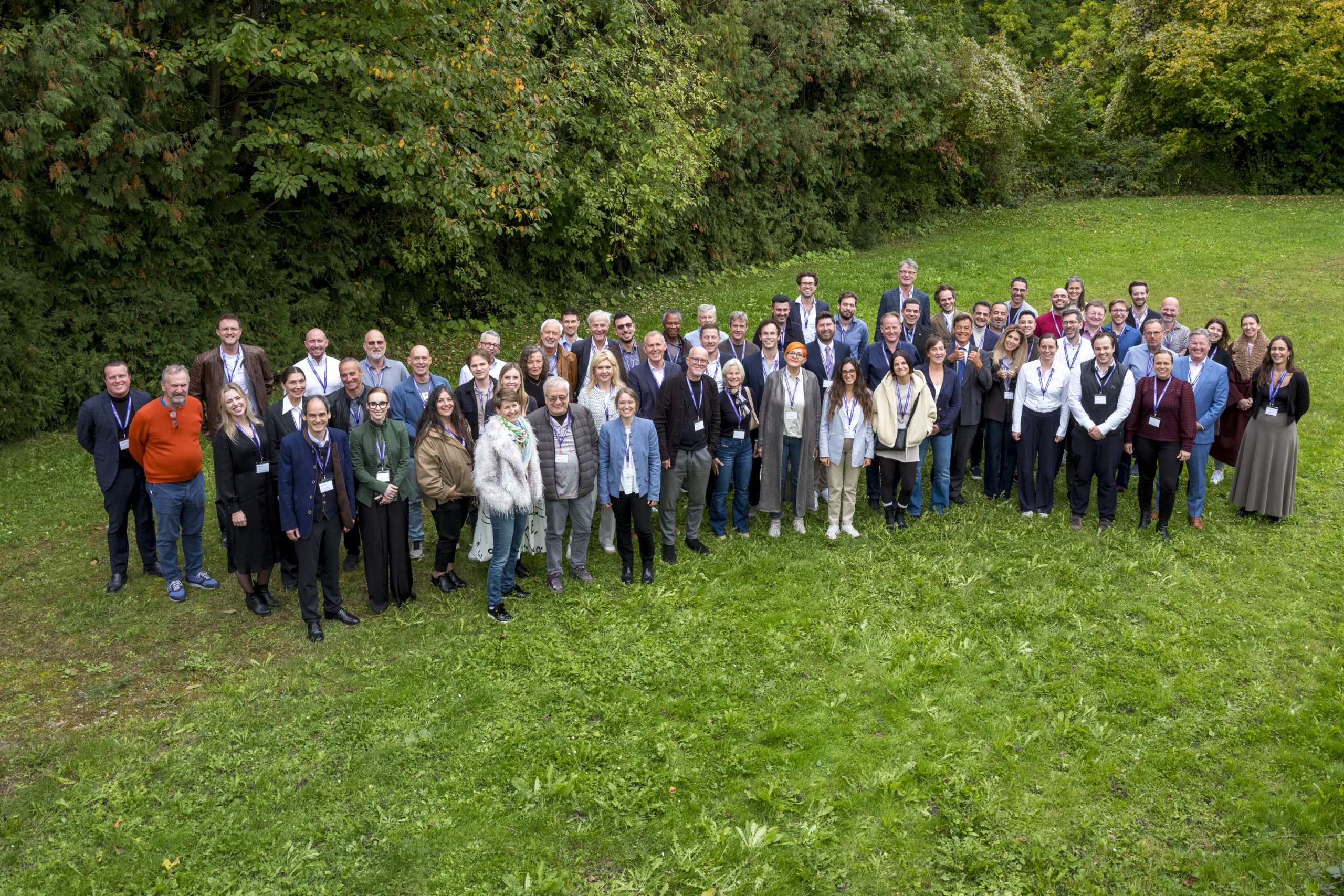
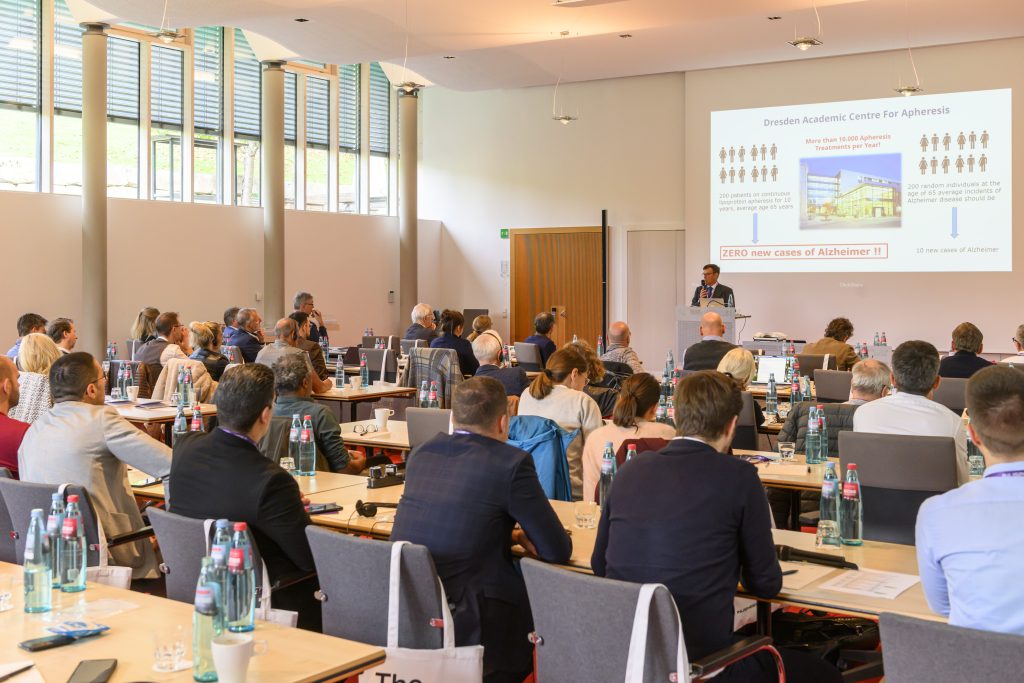
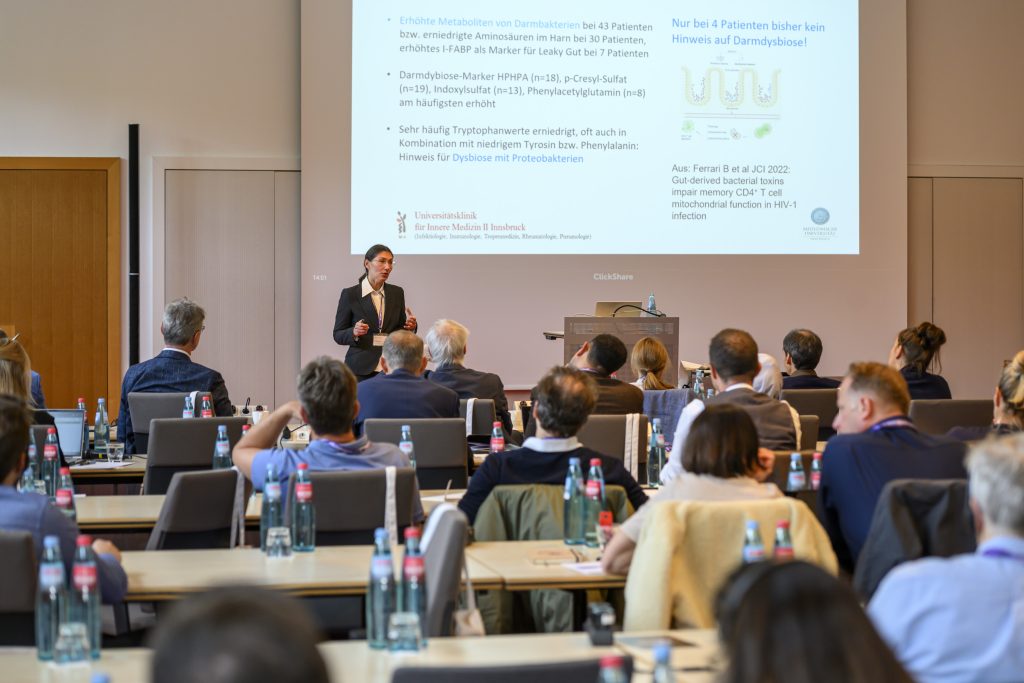
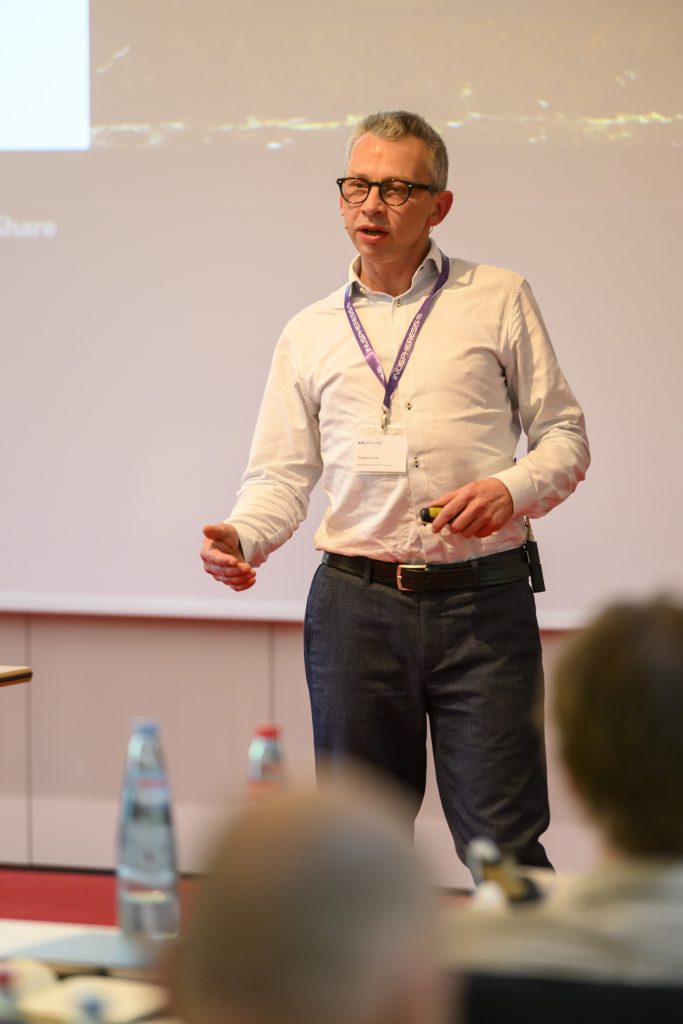
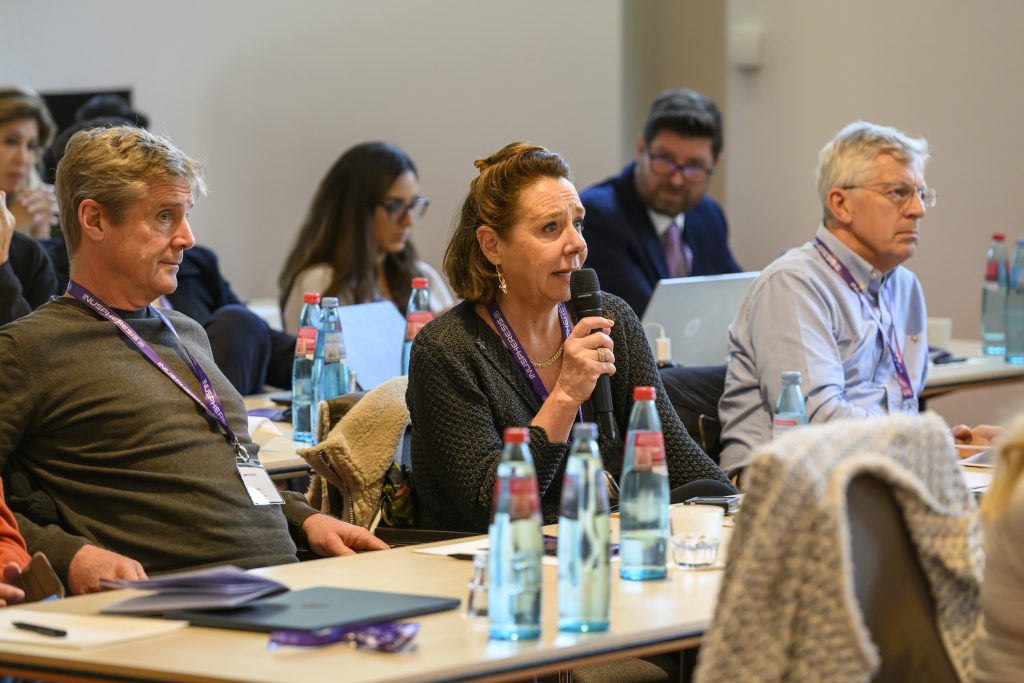
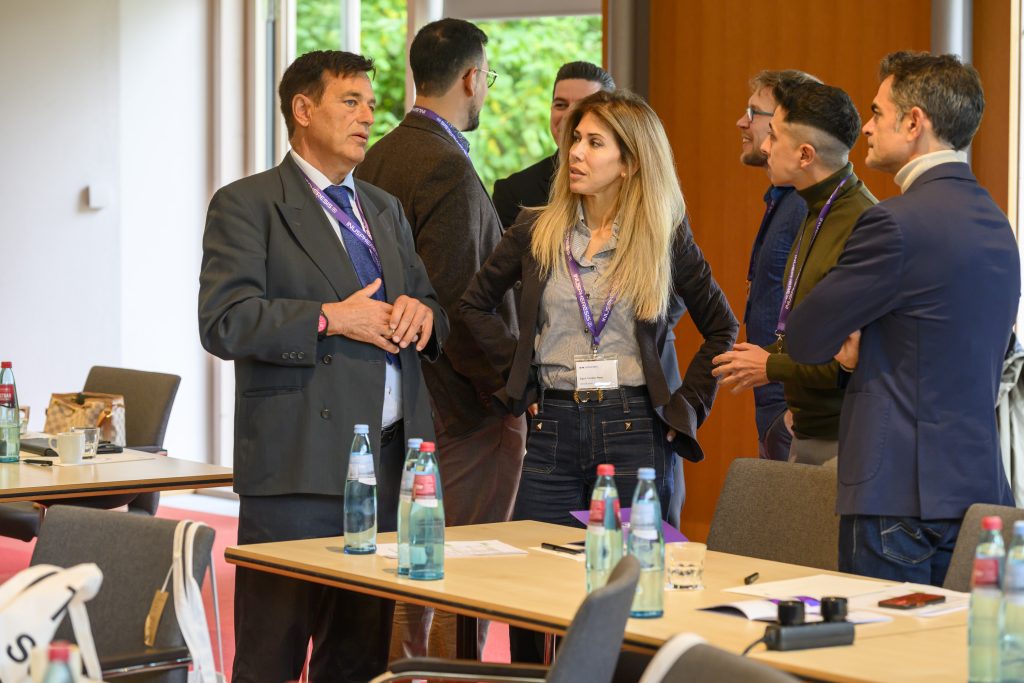
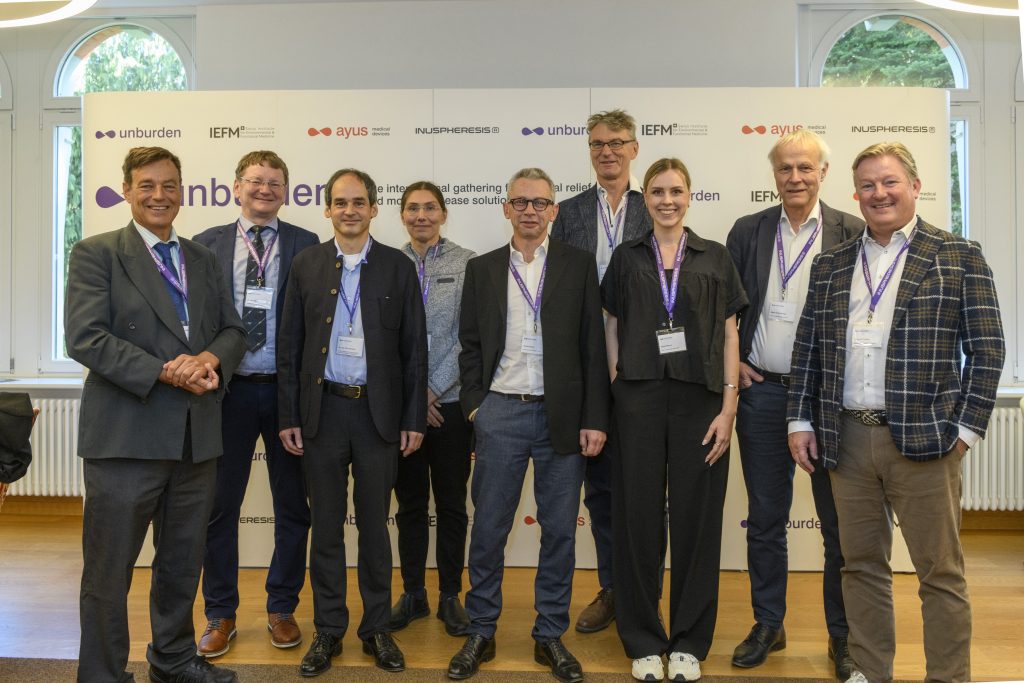
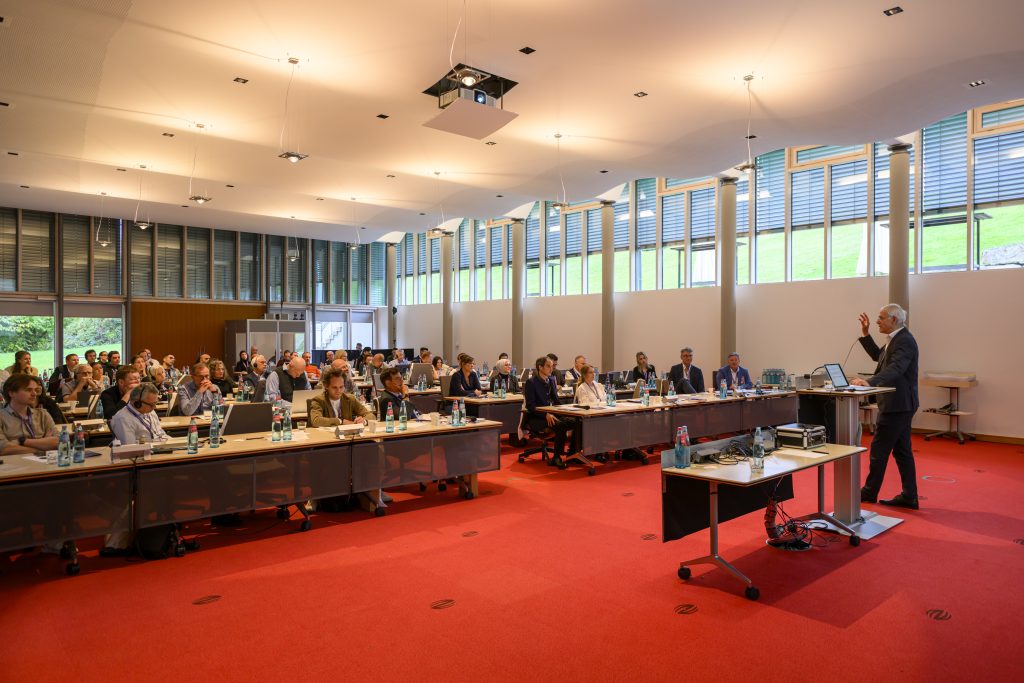
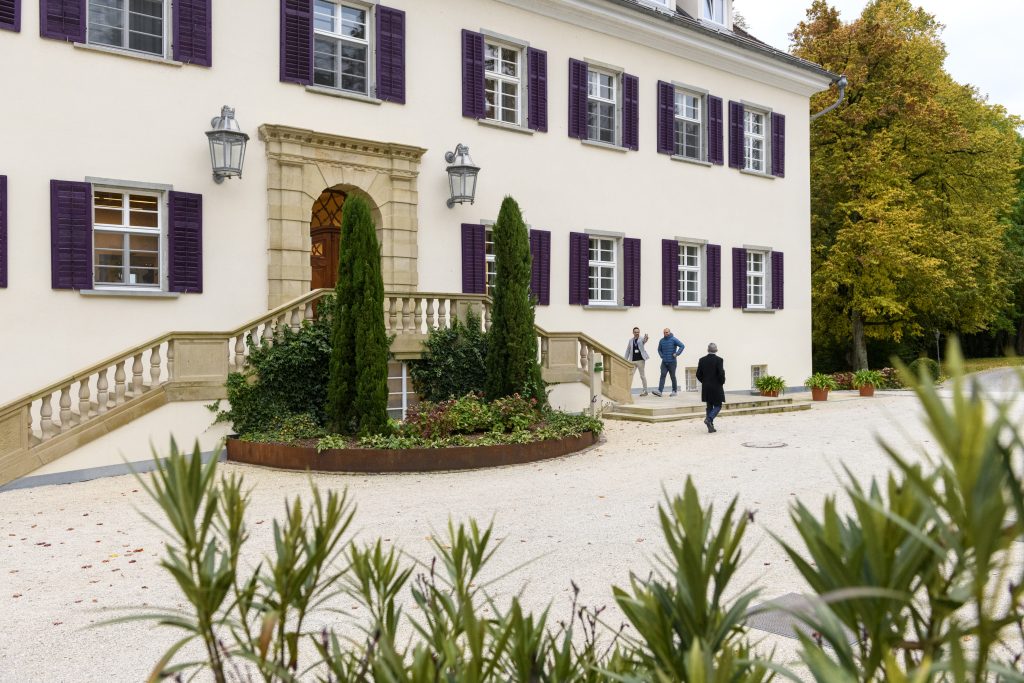
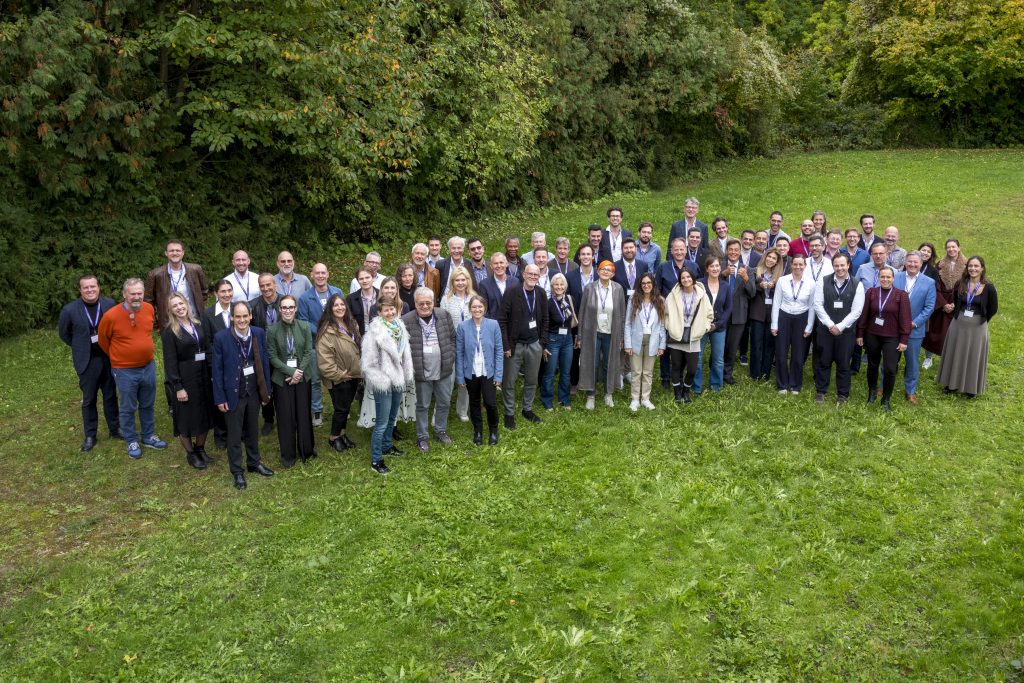
We were delighted to host around 80 international guests for the #Unburden2025 symposium, set in the magnificent surroundings of Hotel Schloss Marbach.
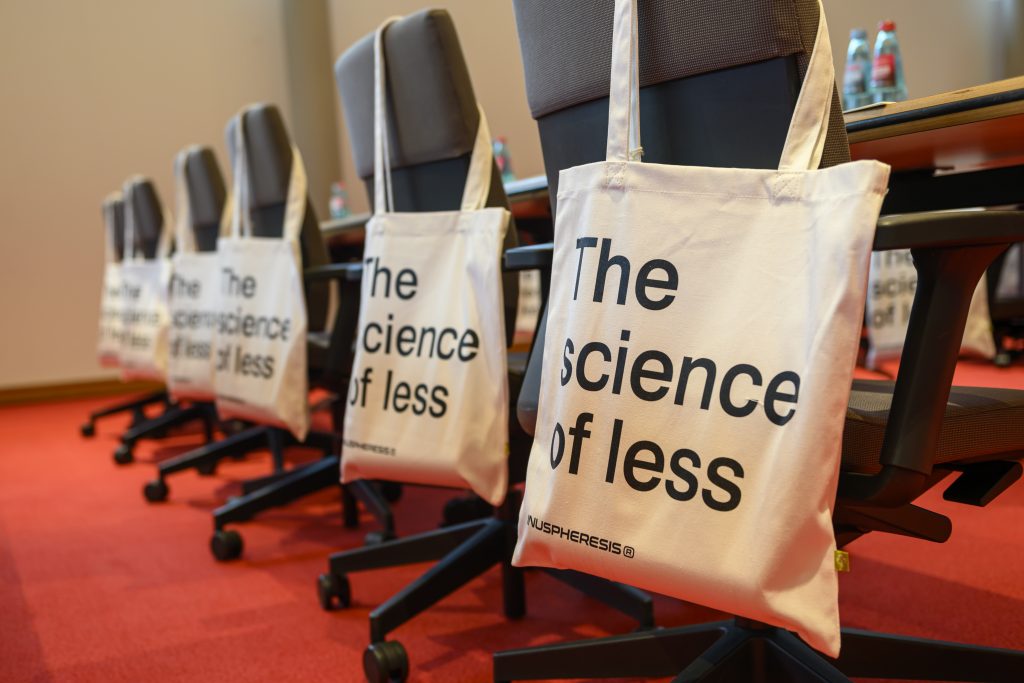
True to our guiding theme “The science of less”, this annual gathering brought together leading clinicians, researchers, and partners united by one conviction: that modern medicine is not only about adding more, but about knowing what to take away. Over two inspiring days, our attendees exchanged knowledge and explored new science, all focused on shaping a future where the weight of modern disease grows lighter and the possibilities for human health grow greater.
Unburden Compendium 2025
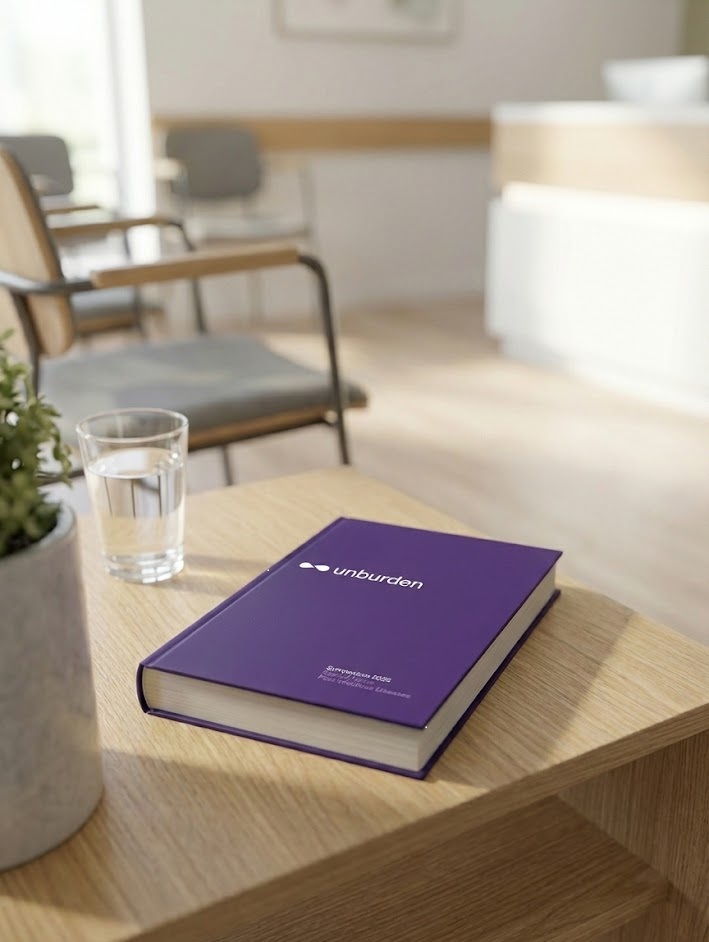
The scientific volume from our “Unburden 2025” symposium is now available. This compendium collects expert contributions under the theme “Unburden – Holistic Relief in a Modern Context.” It highlights innovative therapeutic approaches for chronic conditions, environmental medicine, and post-infectious syndromes, focusing on the systematic relief of the organism.
Published in cooperation with Lehmanns Media, the compendium is available as a hardcover or e-book directly from the publisher.
Gallery
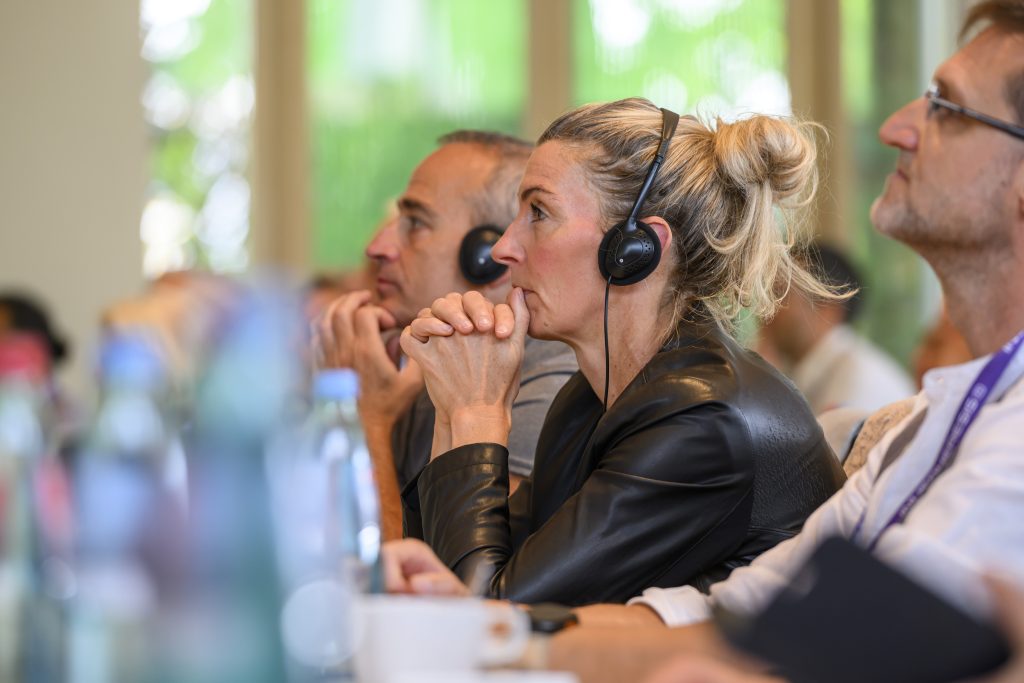
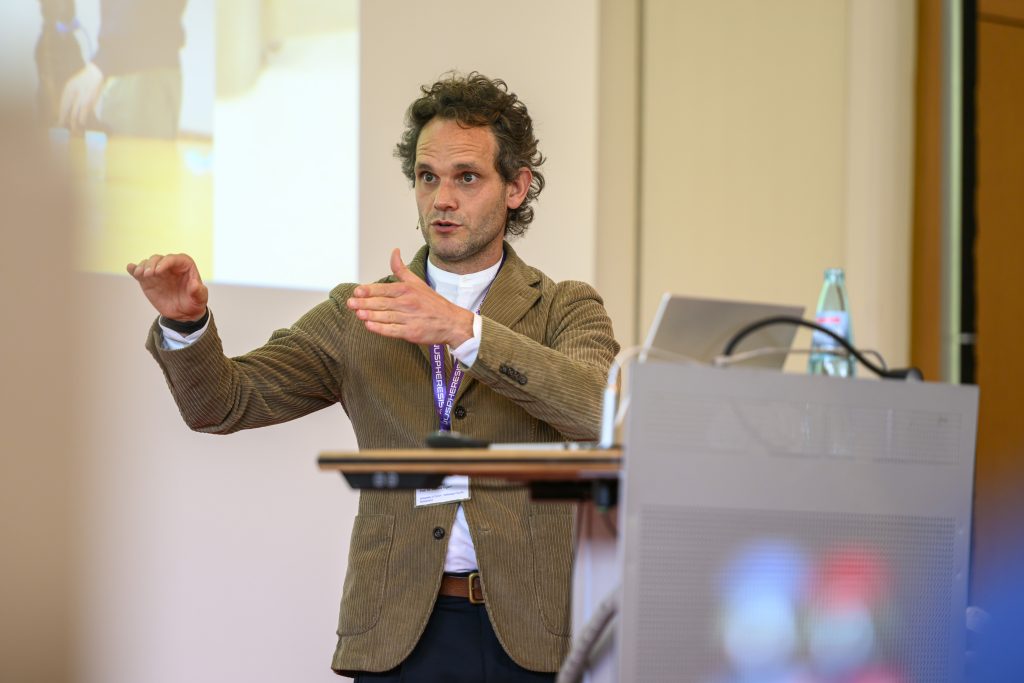
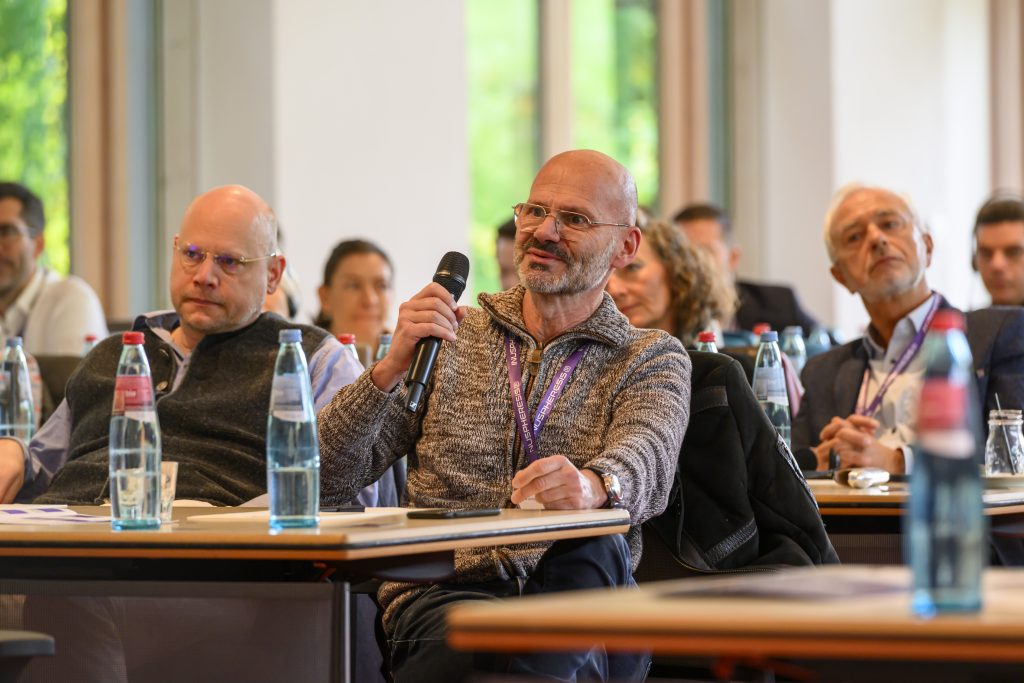
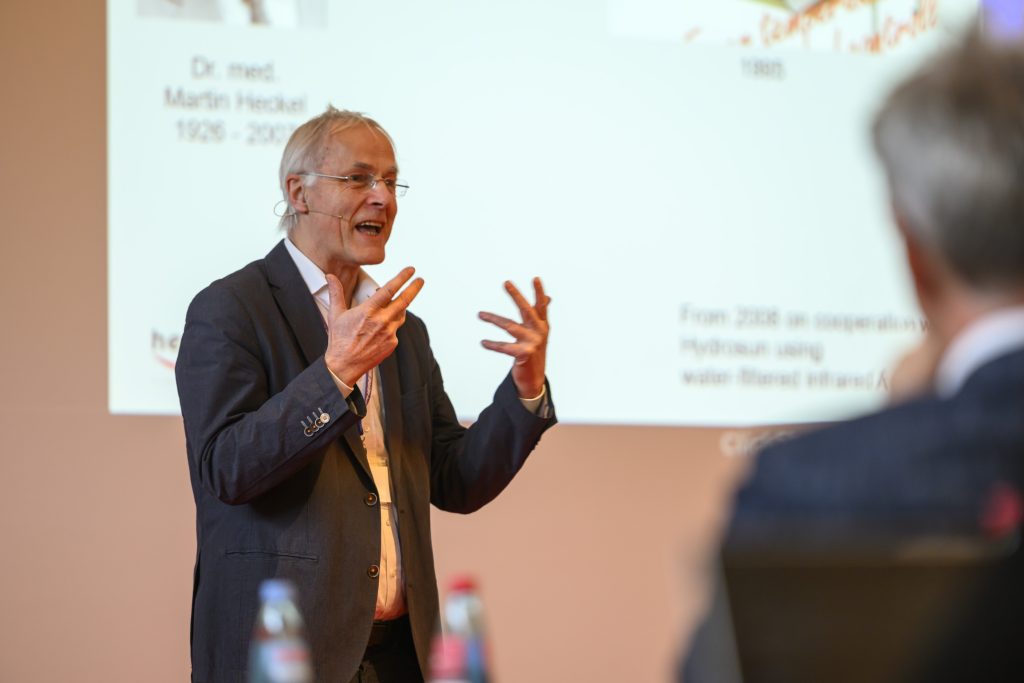
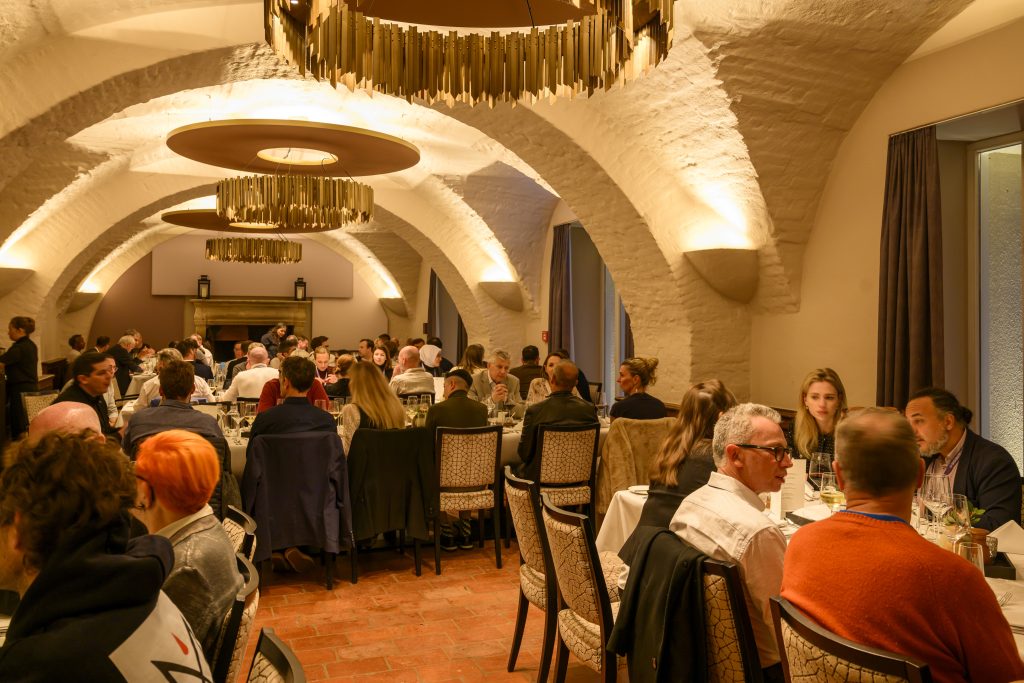
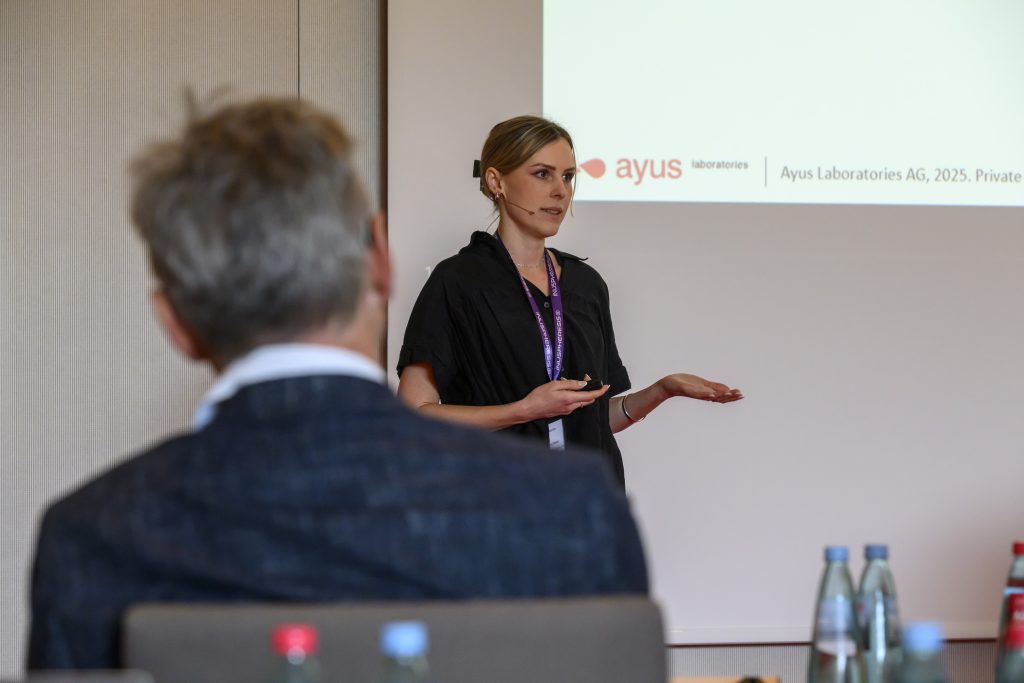
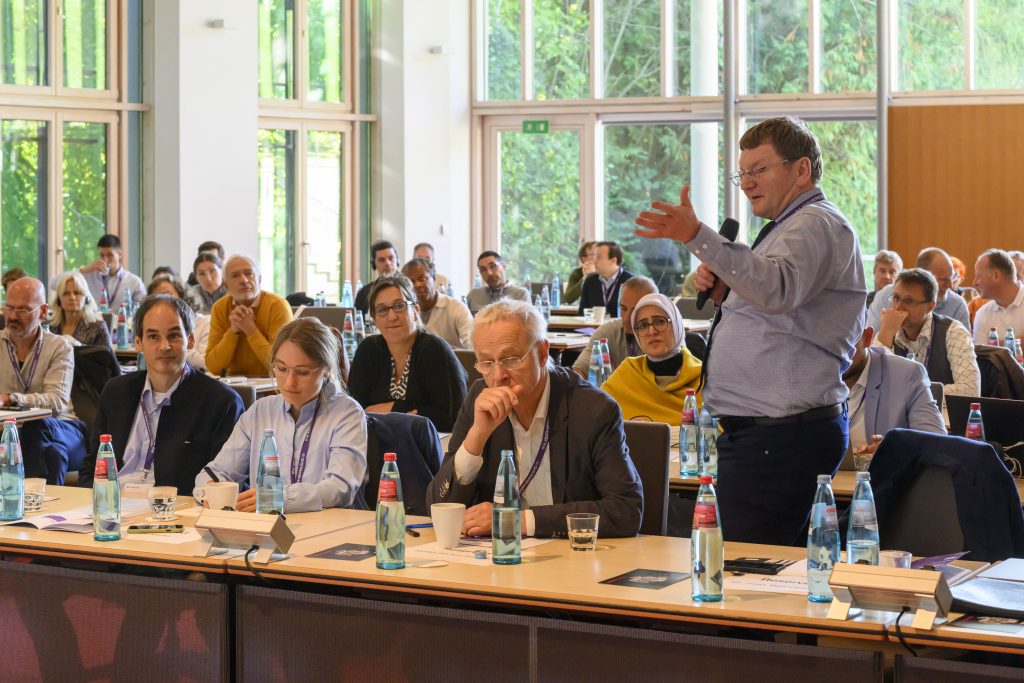
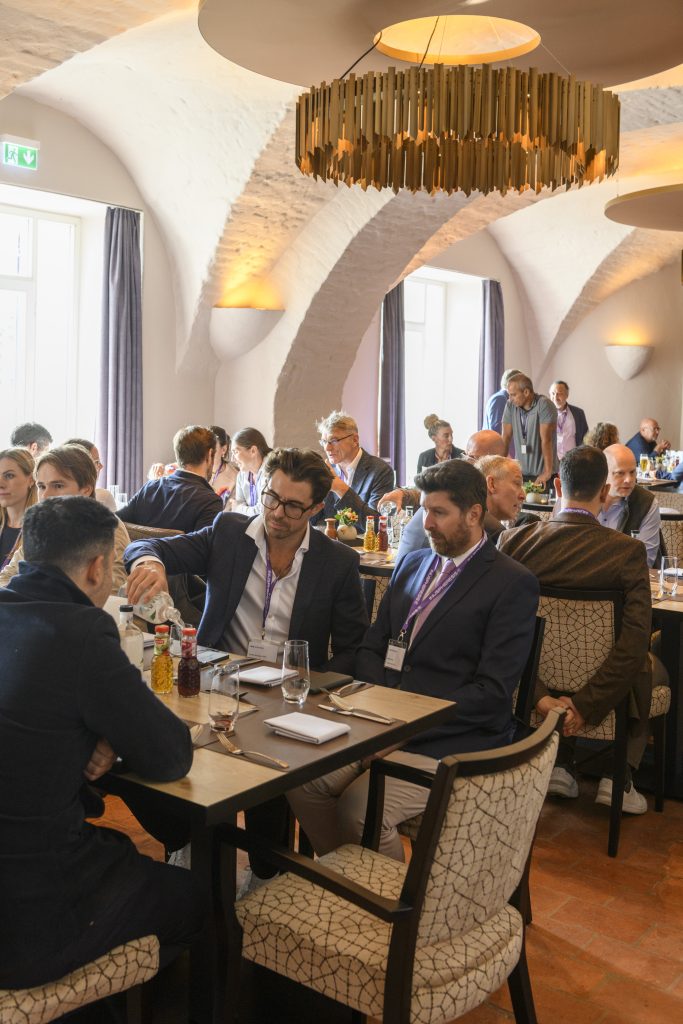
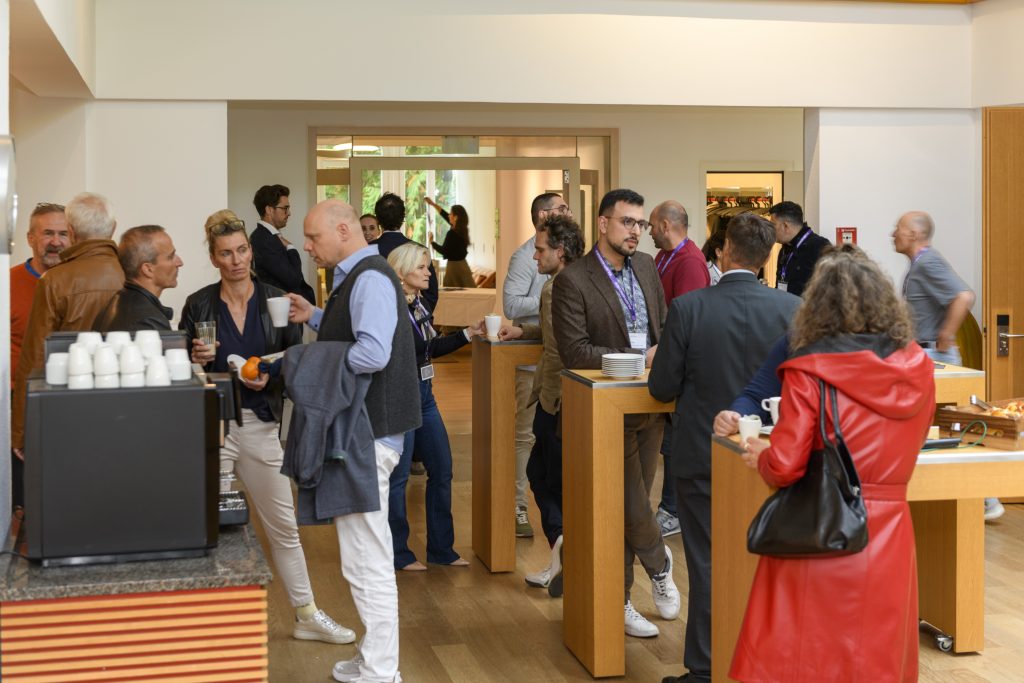
We invite you to explore the best moments and impressions from this inspiring event in the photo gallery below.
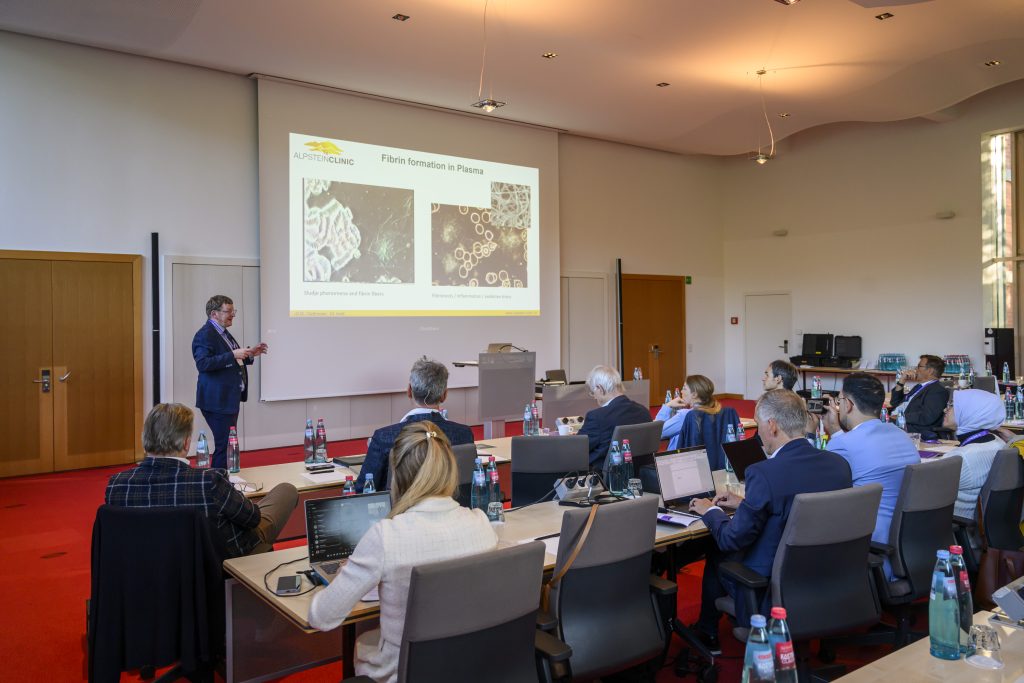
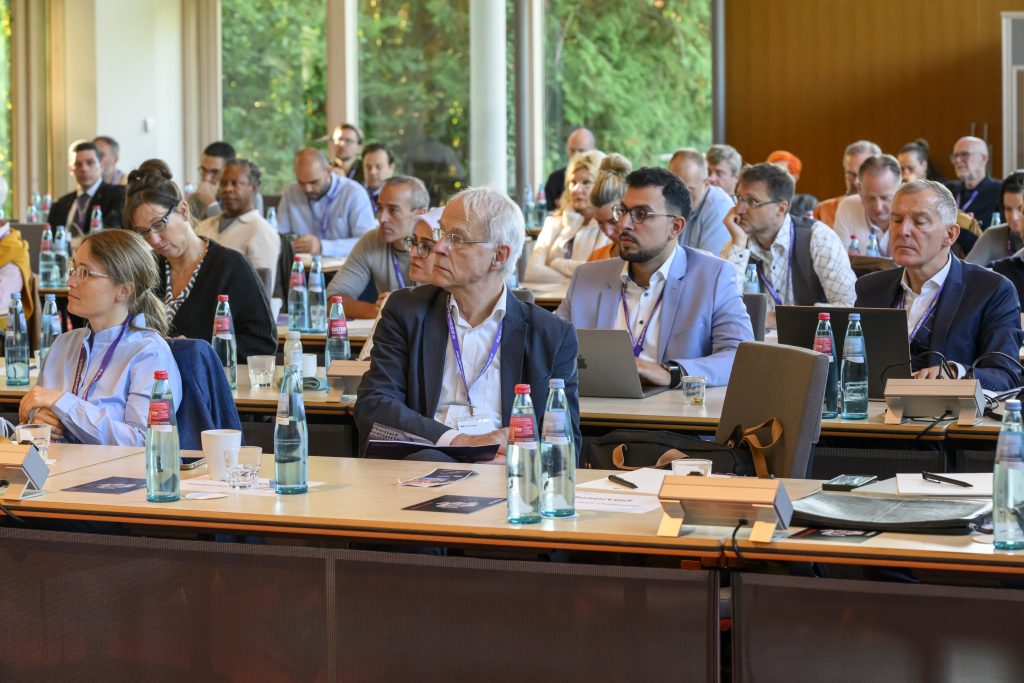
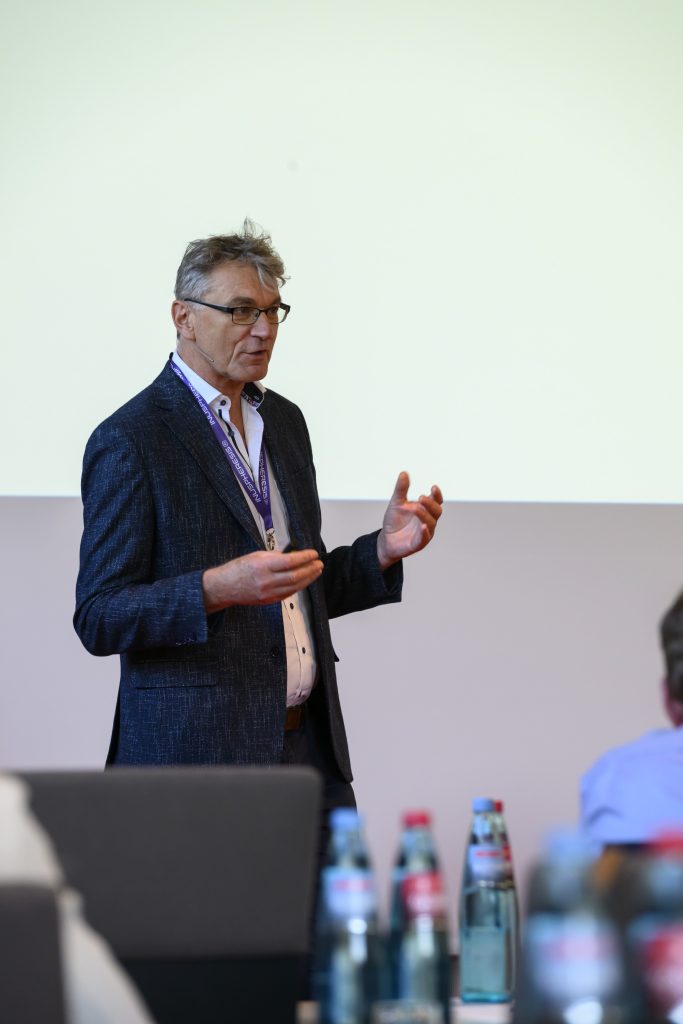
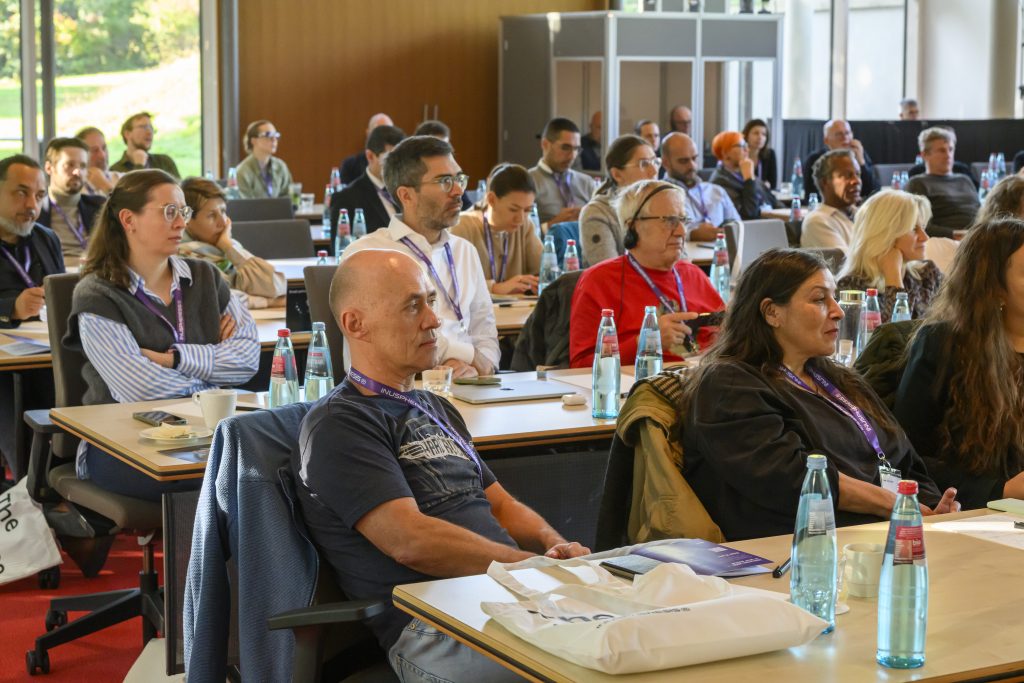
Speakers
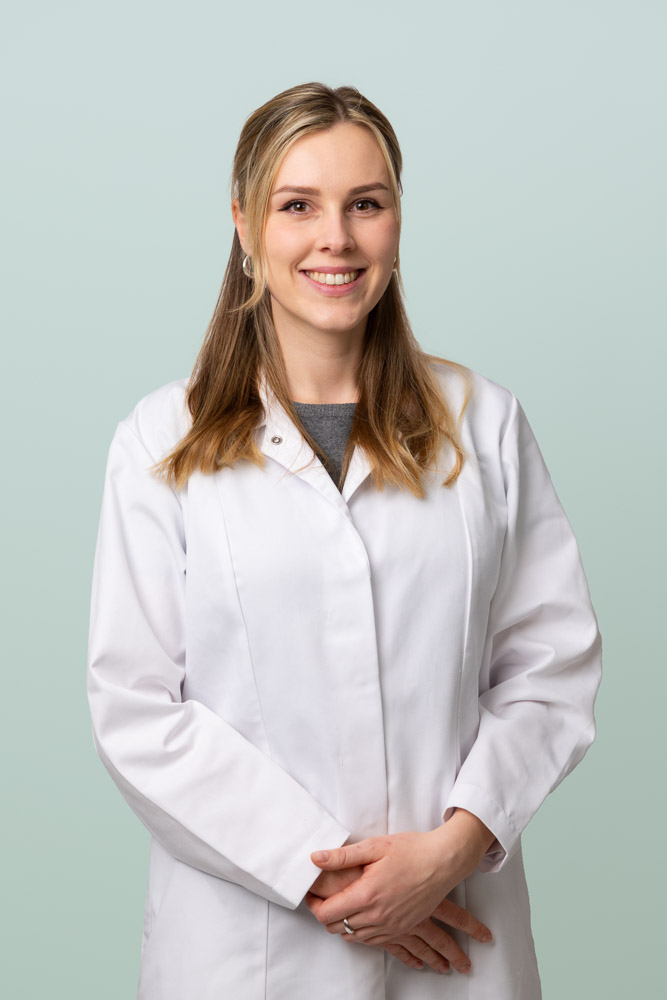
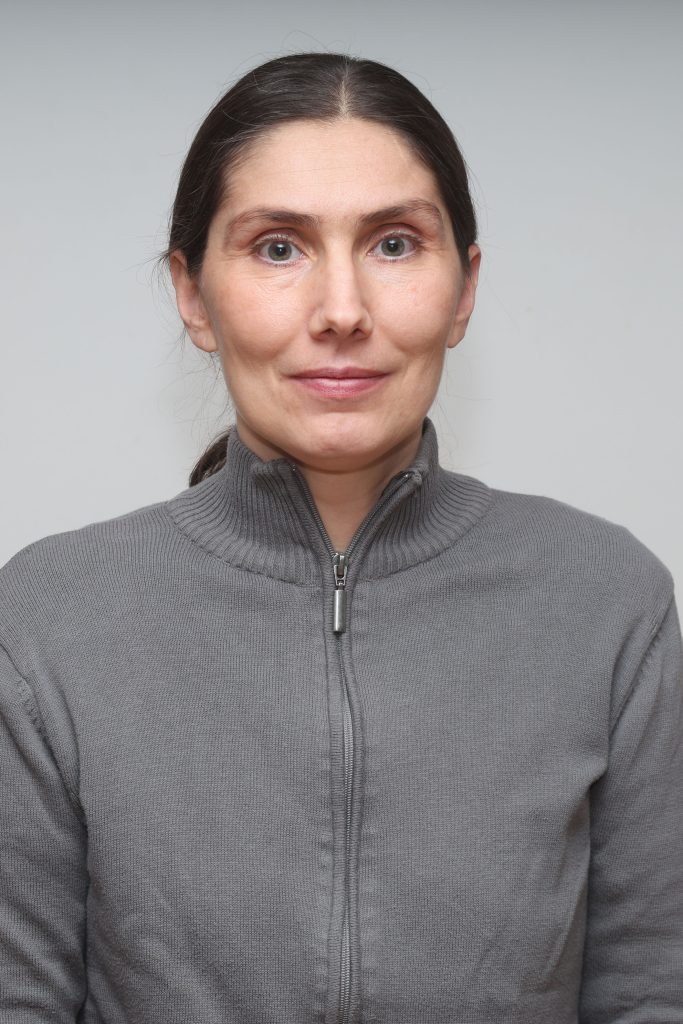
Below you can find a selection of our speakers.



Agenda
Simultaneous translation of all German keynotes into English and vice versa was provided.
The presentations lasted approximately 35 minutes each and there was time for Q&A immediately afterwards.
Friday – 17th October 2025
10:00 Welcome Address
Introductory remarks by the hosts
Ayus Medical Devices AG and the Swiss Institue for Environmental and Functional Medicine (IEFM) warmly welcome you to this year’s convention.
10:30 Prof. Dr. Stefan R. Bornstein
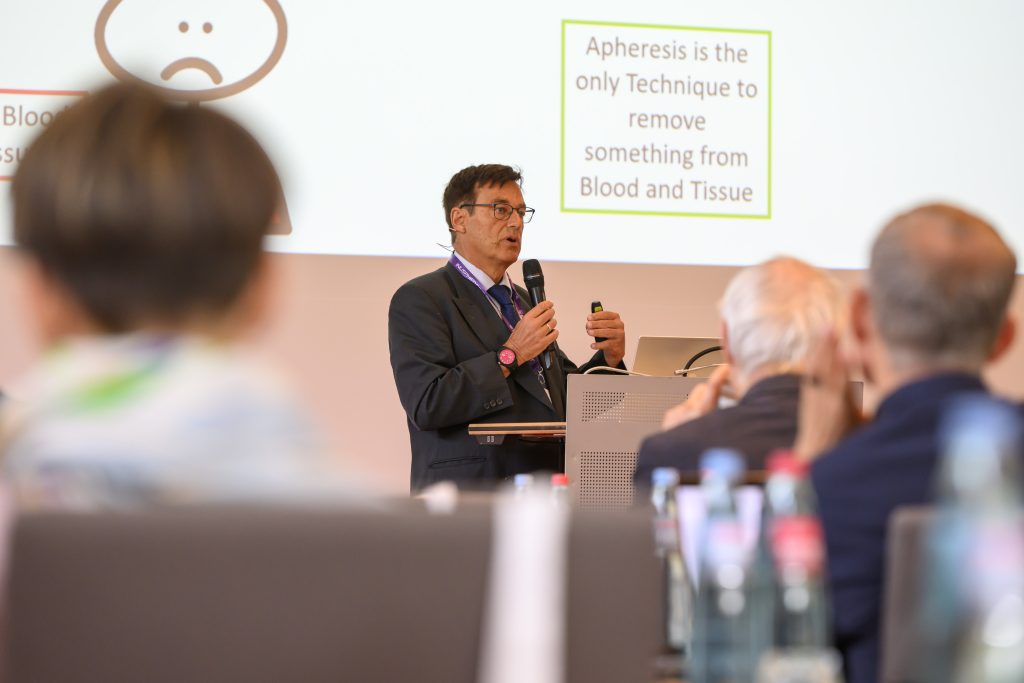
New developments and new indications for apheresis therapy
In apheresis therapy, we see many new developments that go far beyond the established treatments in lipid apheresis. There are completely new approaches in the field of dementia. We will present initial data on pulmonary fibrosis and liver steatosis. There are also important new findings in the areas of chronic fatigue, post-COVID and autoimmune diseases. The therapeutic potential of apheresis is far from exhausted, and we are only at the beginning of making better use of this therapy for our patients.
11:15 Prof. Dr. Alessio Vigani
Therapeutic application of plasmapheresis and double filtration plasmapheresis to unconventional patients: They may have paws and a tail but their immune system works the same.
Plasmapheresis is a crucial therapy for acute post-infectious immune-mediated diseases, offering rapid immunomodulation and improved clinical outcomes. In small animal medicine, both standard plasmapheresis and double filtration plasmapheresis are emerging as novel therapeutic options for treating these conditions, where the immune system, triggered by a prior infection, mistakenly attacks the body’s own tissues.
One key application is in polyradiculoneuritis in dogs, a Guillain-Barré-like syndrome. Plasmapheresis helps by removing harmful antibodies, reducing disease severity while expediting neurologic recovery. Similarly, in myasthenia gravis, which may be exacerbated by infections, TPE is used during acute crises to remove autoantibodies against acetylcholine receptors.
Post-infectious glomerulonephritis (POGN) and immune-mediated hemolytic anemia (IMHA) are other conditions where plasmapheresis has been proven effective and superior to medical management alone. In acute POGN, removing immune complexes and autoantibodies prevents damage to the glomerular membrane, reduces proteinuria, and restores renal function. In IMHA, which can follow infections, removing autoantibodies against red blood cells via TPE effectively controls hemolysis.
12:00 Lunch
Joint lunch
Lunch will be served in the restaurant of the main building of the hotel.
13:30 Priv. Doz. Dr. Katharina Kurz
The gut, inflammation and neurotransmitters in post-infectious conditions
Patients with persistent symptoms after infections often appear to have a combination of different disease mechanisms:
Many of those affected show signs of intestinal dysbiosis, as well as increased inflammation with oxidative and nitrosative stress and overactive coagulation. Data from our ongoing research project also confirm a neurotransmitter imbalance in patients with post-infectious conditions.
14:15 Vincent Peynet
An Innovative Tool in Environmental Medicine to Assess the Individual Exposome
Modern life entails daily exposure to hundreds of chemicals through food and drink consumption, air inhalation, and dermal contact. Many of these substances have delayed toxic effects and are suspected of contributing to serious health conditions, including cancer, fertility disorders, neurological dysfunction, and hormonal imbalances.
Reducing health risks relies heavily on minimizing individual exposure. To effectively prevent the consequences of chronic exposure, it is essential to measure the exposome accurately and reliably. This is typically done through the analysis of biological samples such as blood, urine, or hair. However, such sampling methods can be invasive and pose logistical challenges, especially when it comes to sample transport and storage.
Recent developments have shown that silicone materials are highly effective in adsorbing a wide spectrum of chemical compounds. This innovative approach provides a valuable alternative for assessing an individual’s exposome and specific chemical exposures in real-life conditions.
15:00 Break
Coffee break
The coffee break will take place directly in front of the hall in the foyer.
15:45 Stefan Heckel-Reusser
Fever-range Whole-Body Hyperthermia and its Role in the Treatment of Post-infectious Diseases
In infectious diseases, natural fever stimulates and regulates a most effective immune response. However, many people have lost the ability to respond to infections with fever. Heating the organism to fever temperatures between 38,5°C – 40°C by fever-range whole-body hyperthermia can partially mimick these immunological fever effects and lead to a “re-set” of the immune system in order to overcome chronic immune dysfunctions in the response to infections.
16:30 Outlook and Recap
Important news and recap of the day
Presented by the team of Ayus Medical Devices.
18:30 Dinner
Joint dinner
All guests are invited to dinner with a wonderful view of Lake Constance. There will be plenty of time to exchange ideas and discuss the topics of the day in more depth.
Saturday – 18th October 2025
9:00 Dr. med. Ralf Oettmeier
Successful treatment of chronic infections and their consequences
Chronic fatigue, fibromyalgia pain, cognitive deficits, joint inflammation and organ weakness are typical consequences of bacterial, viral, parasitic and, increasingly, mold infections. Holistic diagnostics of environmental factors, toxin exposure and the immune situation should be followed by individualized targeted biological therapy. Inuspheresis® is at the center of this, which, in addition to toxins, can also remove pro-inflammatory cytokines, antigen-antibody complexes, microclots and pathogen fragments.
9:45 Prof. Dr. Ludwig Aigner
Does Aging Make Us Sick – or Does Illness Make Us Age? The Role of Blood.
Major widespread diseases such as stroke, heart attack, diabetes, dementia and cancer are age-related. Due to demographic developments in our society and improvements in medical care over recent decades, the incidence of these diseases is increasing dramatically. Ageing factors in the blood have been proven to contribute to these diseases. Conversely, diseases often have systemic effects on our entire body and cause it to age more quickly. Here, too, it is obvious to postulate that ageing factors in the blood are partly responsible. This lecture will attempt to provide a brief overview of the topic and explain it using a few examples.
10:30 Break
Coffee Break
The coffee break will take place directly in front of the hall in the foyer.
11:00 Sylvia Pietzsch
Microclots as a marker of chronic inflammatory disease
Are hidden amyloid fibrin microclots and microparticles driving the pathological symptoms patients with chronic inflammatory diseases experience? Emerging research increasingly identifies microclots as critical markers linked to chronic inflammation. At INUS Laboratories AG, we harness cutting-edge imaging flow cytometry techniques to precisely detect and classify these elusive microclots. While microclots themselves are too large to pass through the revolutionary Inuspheresis® filter, ongoing research investigates whether Inuspheresis® could reduce microclot presence and ease inflammatory symptoms.
11:45 PD Dr. Rolf Bambauer
Experiences with therapeutic apheresis
Teaser will follow shortly.
12:30 Wrap-up and goodbye
Summary of key insights from the 1.5-day conference
By Ayus Medical Devices and IEFM
13:00 Lunch
Concluding Network Lunch
Moderators


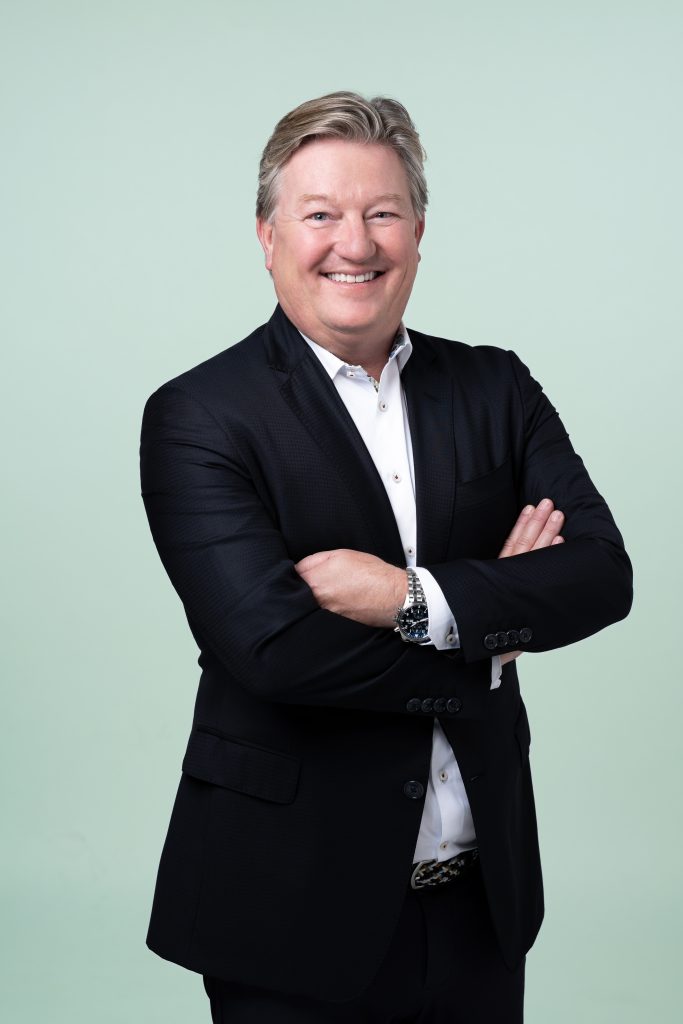
Your Event Host

Supported by