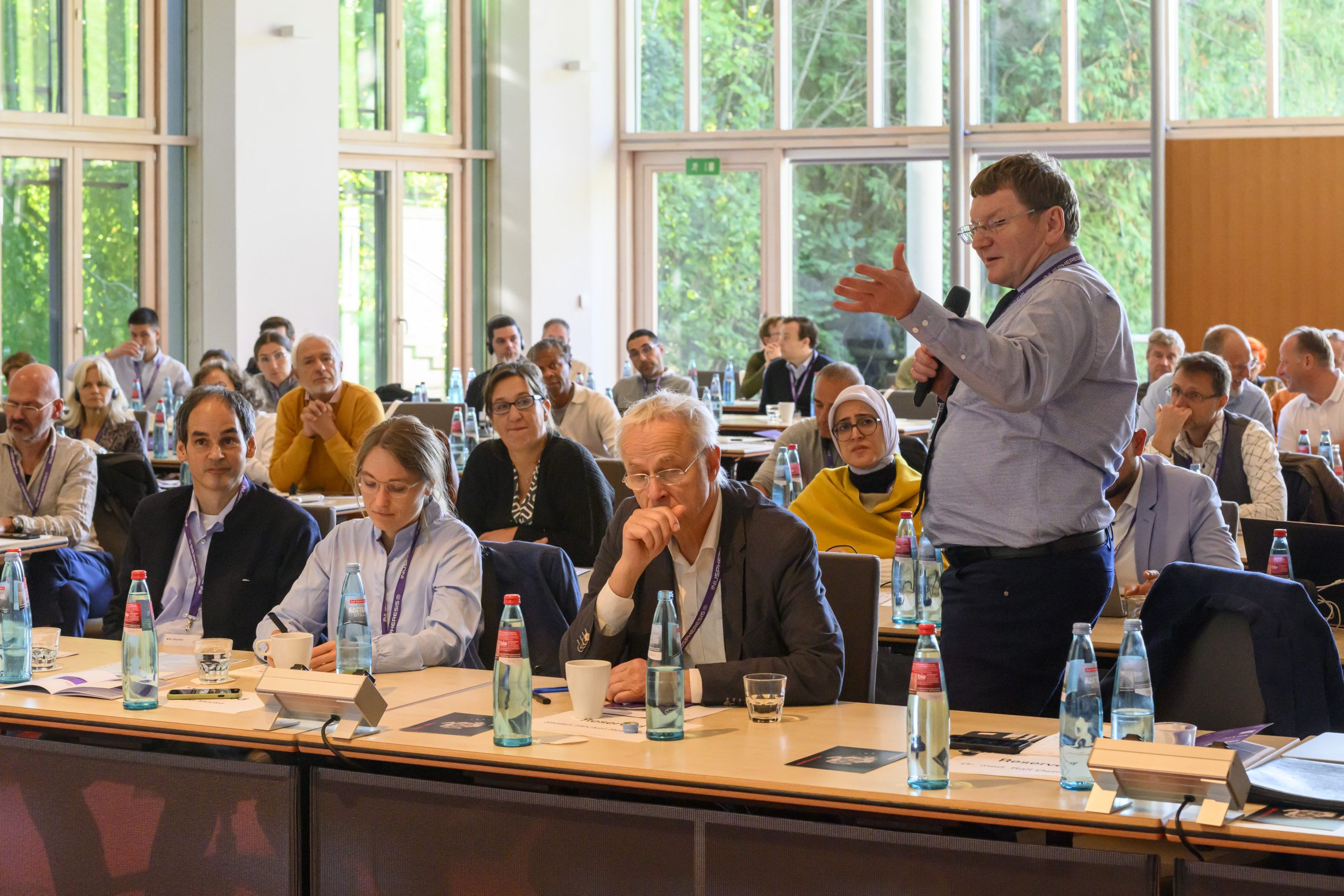
The World Does Not Stop at Your Skin
From the first breath, the body accumulates its environment. Without pause, and largely without consent. The exposome is the record of that accumulation.
Modern disease cannot be understood inside the clinic alone. What surrounds us shapes what happens within us. The air, the water, the stress, the soil, the decades.
Over the coming days, we examine what this means in practice. Where exposure can be reduced. What can still be reversed. What changes when environment is treated not as background noise, but as a primary driver of disease.
These are the right questions.
And this is where we begin.

Details
Date: October 23–24, 2026
Start: Friday, 10:00 AM CEST
End: Saturday, 12:30 PM CEST (end of the accredited programme)
Venue: Bad Hotel Überlingen
Please note that hotel rooms must be booked independently. We have secured dedicated room contingents at Bad Hotel Überlingen (the conference venue) as well as at selected nearby hotels. All details, prices, and booking information are provided in the registration form.
Registration
Registration for Unburden 2026 is closed. Thank you for your interest.
For any questions, please contact us at devices@ayus.health.
Speakers
A distinguished lineup of speakers from clinical medicine, research and integrative practice awaits you.
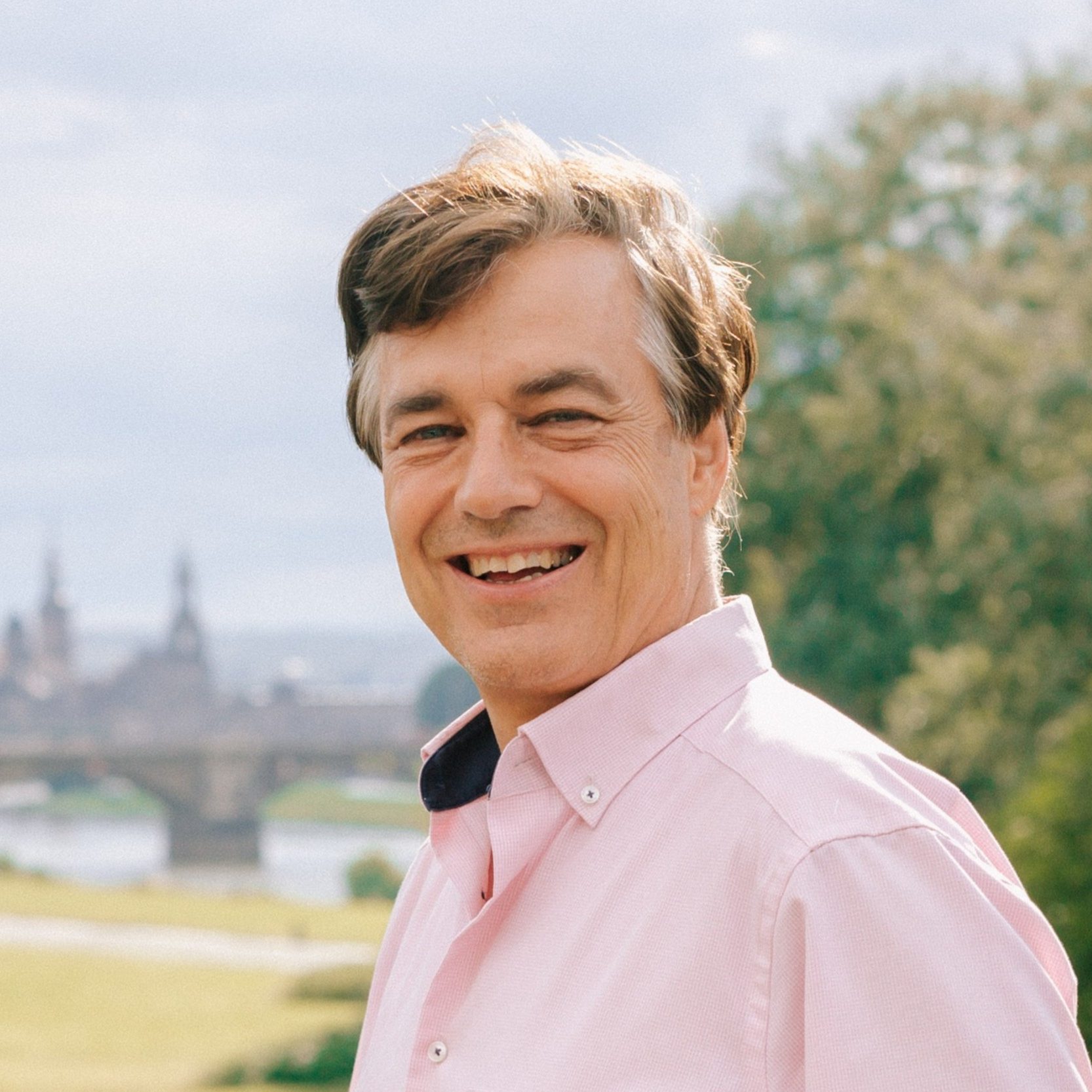
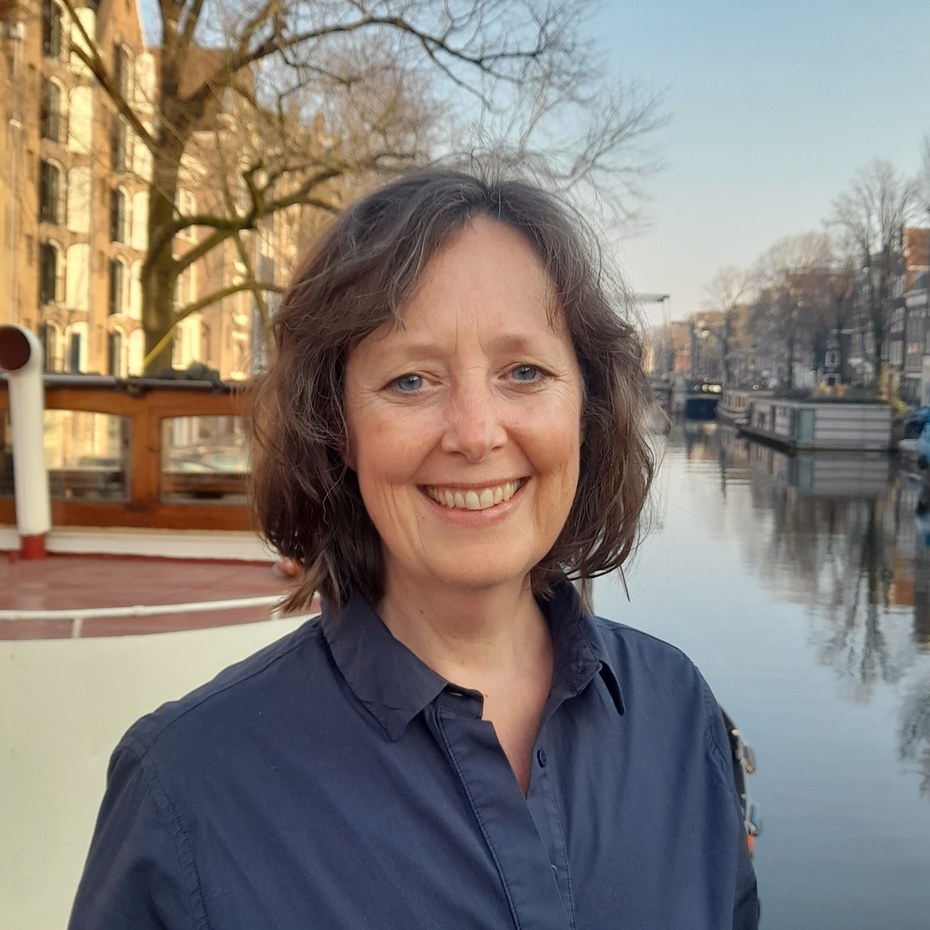
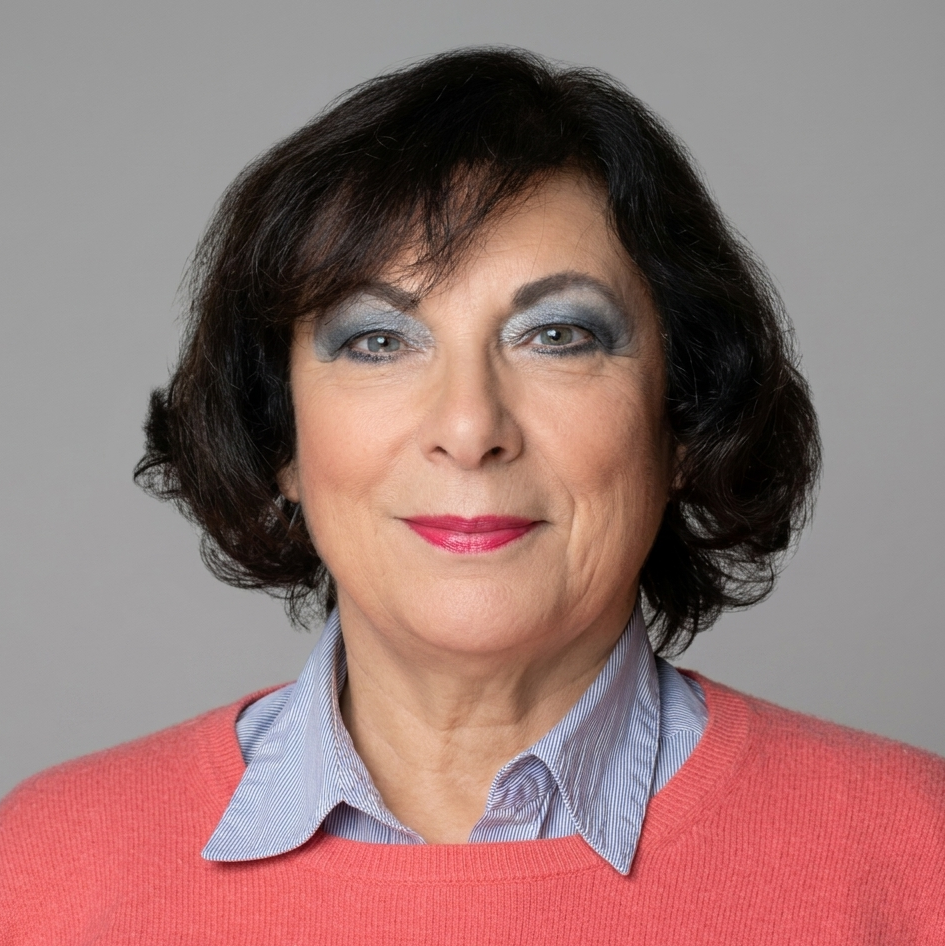
Scientific Chair and Organisation
Agenda
Simultaneous translation of all German keynotes into English and vice versa will be provided. Procedures are referred to generically; no product, device or brand names are used in the scientific programme.
Friday – 23 October 2026
10:00 Welcome and Introduction
Welcome and Introduction
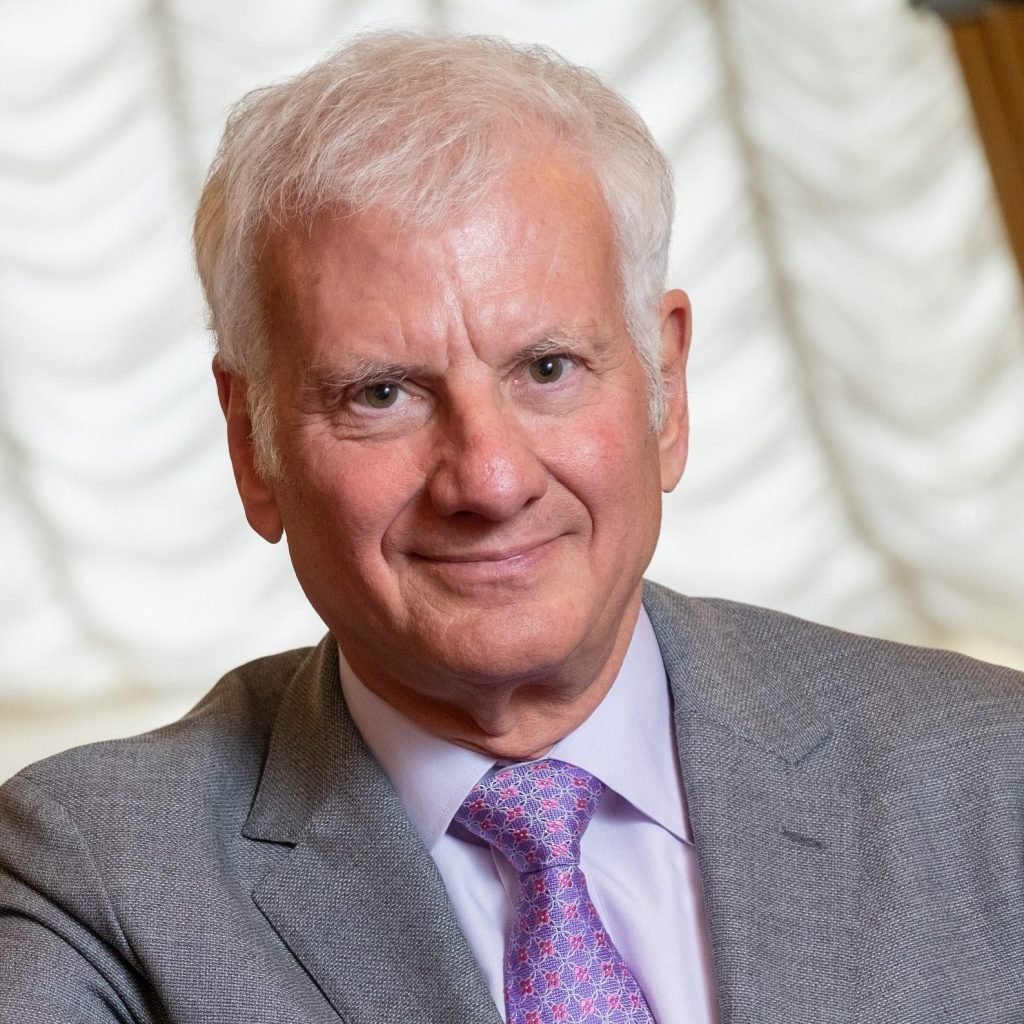
IEFM and the Scientific Chair welcome you to this year’s symposium and introduce its theme and objectives. Prof. Dr. med. Stefan R. Bornstein, a pioneer in the field and speaker at our previous two symposiums, joins us with a welcome message.
10:30 Dr. Joseph E. Pizzorno, ND
The Exposome as a Determinant of Chronic Disease: Evidence on Metals and Chemicals, Attributable Disease Burden and Methodological Limitations
A compilation of the research showing the surprising percentage of chronic disease due to environmental metals and chemicals. Many chronic diseases from diabetes to ADHD to cancer and even elevated rate of death are due to specific environmental toxins.
11:15 Heather A. Leslie, PhD
Micro- and Nanoplastics in Human Blood: Analytical Methods, Exposure Data and Open Questions on Health Relevance
Polymer particles can now be detected and quantified in human matrices. This keynote presents the analytical methods behind those measurements, their limits of detection and the contamination controls they require. It sets out what the current data show about exposure levels in the general population, and draws a clear line between established exposure findings and the health consequences that remain hypothetical.
12:00 Lunch
Lunch
The lunch break will take place directly in front of the hall in the foyer.
13:30 Dott.ssa Antonietta M. Gatti
Inorganic Micro- and Nanoparticles in Human Tissue: Electron Microscopy Findings, Limits of Detection and Reproductive Implications
What the standard laboratory cannot see still accumulates. Dott.ssa Gatti pioneered the use of electron microscopy with elemental analysis to identify inorganic particles inside human tissue, in tumours, placentas and germ cells. This keynote covers sample preparation, elemental assignment and why such particles escape routine diagnostics. The findings are presented as descriptive and hypothesis-generating; no causal link to clinical endpoints is claimed.
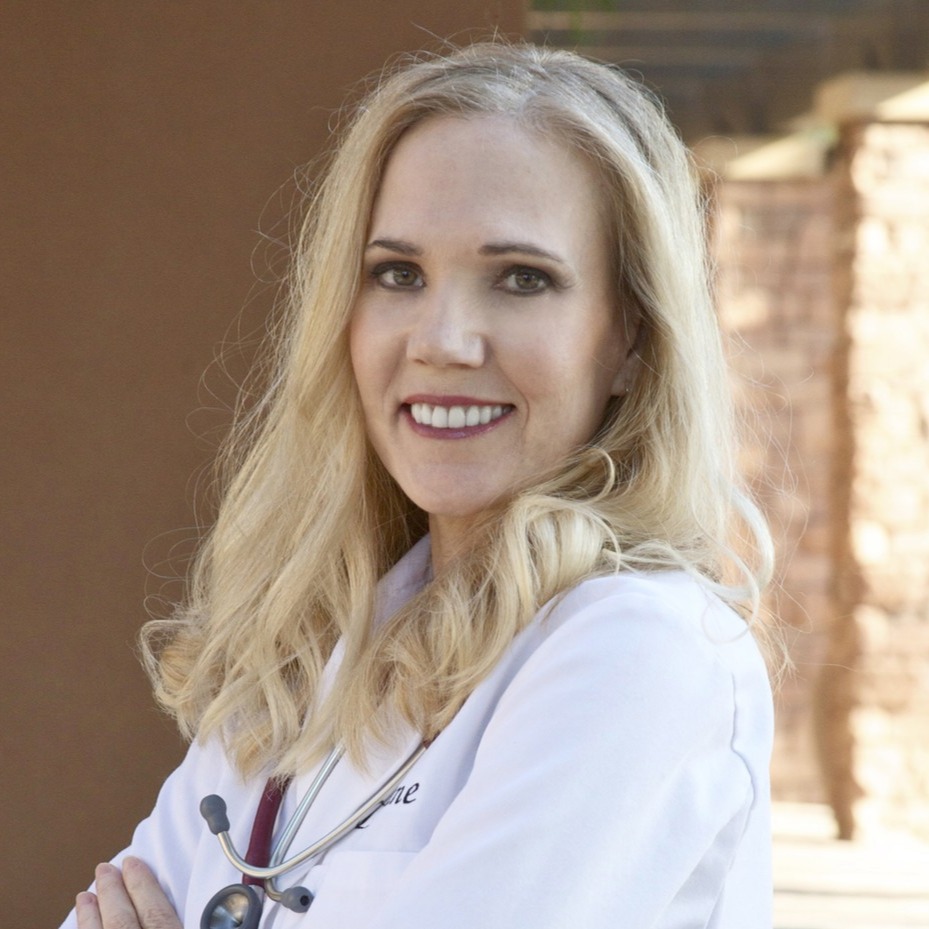
14:15 Anne Marie Fine, NMD, FAAEM
Cumulative Environmental Burden in Patients with Multisystem Symptoms: A Structured Framework for Assessment, Prioritisation and Management
Patients with persistent, multisystem symptoms often carry a cumulative burden of environmental exposures rather than a single isolated aetiology. This lecture presents a structured framework covering mould, mycotoxins, chemicals, metals and host genetic susceptibility, and how to weight them in clinical assessment. It addresses the differential diagnoses that must be excluded before any attribution to an environmental exposure, and states for which elements of the approach robust evidence exists and for which it does not.
15:00 Coffee Break
Coffee Break
Time for networking and exchange with our speakers.
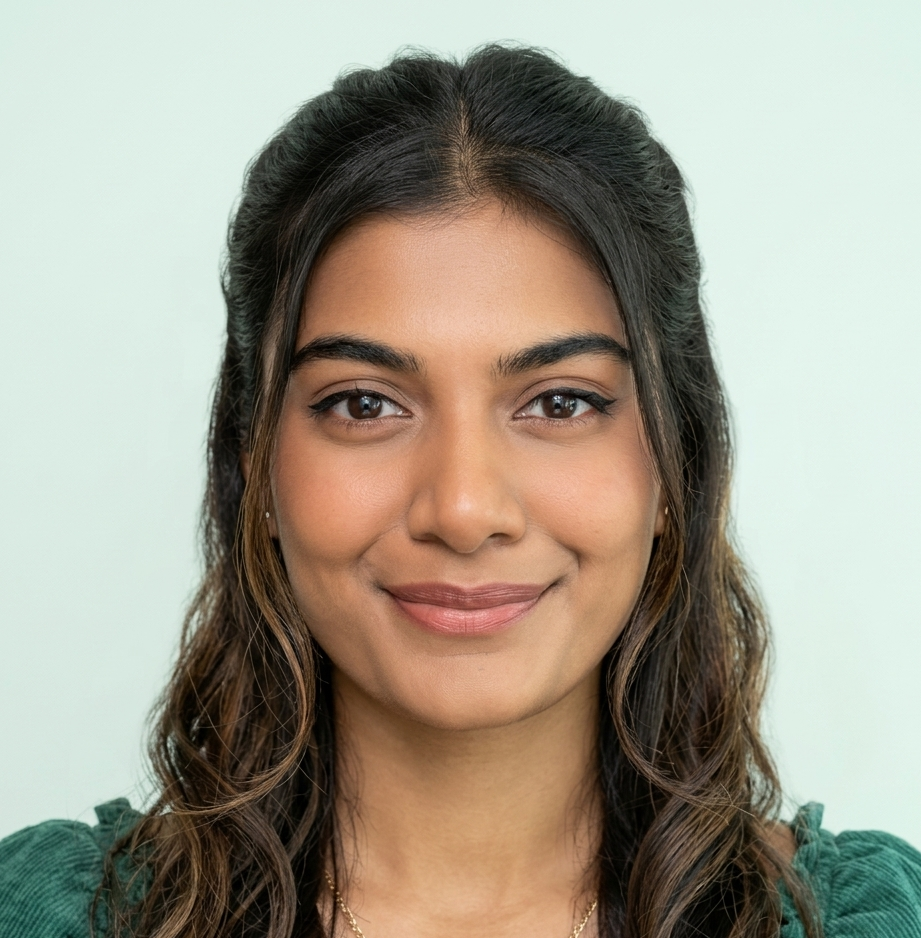
15:30 Anusha Yoganathan, MBChB, MRes
Therapeutic Apheresis in Alzheimer’s Disease: Biological Rationale, Early Clinical Experience and Positioning Alongside Approved Anti-Amyloid Therapies
The emergence of disease-modifying therapies has transformed the management of Alzheimer’s disease. This session first sets out the approval and guideline status of the anti-amyloid antibodies, including their adverse event profiles, and then examines the biological rationale and early clinical experience behind extracorporeal approaches. The level of evidence available for apheresis is stated explicitly and distinguished from that of the approved therapies.
16:15 Summary of Day 1 and Outlook
Summary of Day 1 and Outlook
The Scientific Chair draws together the day’s findings and looks ahead to the second day.
16:45 End of the first day
End of the first day
19:00 Joint Dinner
Joint Dinner
All guests are invited to dinner with a wonderful view of Lake Constance. There will be plenty of time to exchange ideas and discuss the topics of the day in more depth. The dinner is a social event and not part of the accredited programme.
Saturday – 24 October 2026
09:00 Dr. Joseph E. Pizzorno, ND
Mobilisation of Stored Toxicants: Body Compartments, Elimination Routes and the Strength of the Evidence
Toxicants stored in bone, adipose tissue, connective tissue and organ parenchyma can persist for decades. This keynote covers how they distribute across body compartments, the physiological elimination routes through kidney, bile and gut, the biochemistry of phase I and phase II hepatic conjugation, and the risk of mobilising without assured elimination capacity. For each approach discussed, Dr. Pizzorno states where the evidence is solid and where it remains preliminary. No individual products or preparations are presented.
09:45 Dr. Youri Lavinski, MD
Free Light Chains and Gammopathies after SARS-CoV-2 Infection and Vaccination: Five-Year Longitudinal Data from an Unselected Cohort
This keynote presents five years of follow-up in an unselected cohort after exposure to SARS-CoV-2 infection and vaccination: free light chains rising from a verified normal baseline, monoclonal and polyclonal gammopathy appearing after a latency of three to four years, and antibody titres that stay elevated. Observed frequencies are set against an expected incidence whose derivation and reference population are disclosed. This is an observational cohort without a control group.
10:30 Coffee Break
Coffee Break
Time for networking and exchange with our speakers.
11:00 Maximiliane Gläsle
Multi-Agent AI in Hypothesis Generation: Capabilities and Limitations in a Worked Example on PFAS Rebound Kinetics in Plasma
The growth of scientific publication forces researchers to choose between disciplinary depth and interdisciplinary breadth. This session presents a multi-agent AI system for hypothesis generation, worked through on a research question that has actually been processed: which mechanism governs the return of perfluoroalkyl substances to plasma after partial removal, and what follows from it for timing. It covers how the question was framed and constrained, what the system produced, and where it falls short, in particular insufficient testing for falsifiability and the need to verify every reference and every mechanistic assumption. No live demonstration or product presentation takes place.
11:45 Closing Discussion and Outlook
Evidence Gaps, Methodological Limitations and Research Priorities
A moderated panel with all speakers on which of the findings presented can be considered established, where the evidence is incomplete, and what study designs would be needed to close those gaps. Followed by closing remarks.
12:30 End of the accredited programme
End of the accredited programme
After the symposium (not part of the accredited programme)
12:45 to 13:45 User meeting, hosted by Ayus Medical Devices AG
Three Clinics, Three Patient Populations: Shared Learnings from the Network
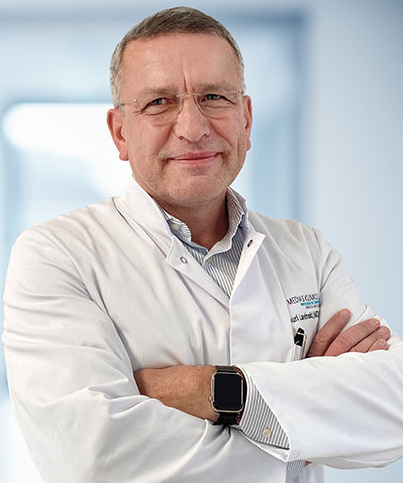
Dr. med. Uta Langer, Dr. med. Julia Wilke and Christian Burghardt share their real-world experience from three clinics with three distinct patient populations: how the therapy fits into their clinical workflows, which protocol adaptations have made the biggest difference, and what they have learned along the way.
This user meeting is organised and financed by Ayus Medical Devices AG. It is not part of the accredited programme, and attendance at the symposium is independent of it.
Review 2025: Insights & Impressions
The Compendium
Access all expert contributions on environmental medicine and innovative therapeutic strategies from last year as a hardcover or e-book.
The Highlights
Explore our gallery of highlights from the keynote sessions and expert panels of the October 2025 edition.
Accreditation, Sponsorship and Transparency
Accreditation
Accreditation of the scientific programme as Category A continuing medical education has been applied for with the Landesärztekammer Baden-Württemberg (State Chamber of Physicians). Scientific Chair: Andrew Aswani, MD, PhD, FRCA, FFICM. The provider responsible for the event is the Swiss Institute for Environmental and Functional Medicine (IEFM, non-profit association), Aeschengraben 10, 4051 Basel, Switzerland.
Sponsorship
Ayus Medical Devices AG, Steinhausen, Switzerland, supports the scientific programme with EUR 18,000. The funds are used exclusively for running the programme; the sponsor has no influence on its content, design or the selection of speakers.
Conflicts of interest
The provider, the Scientific Chair and all speakers disclose their conflicts of interest. Disclosures are published before the event and are shown on the opening slide of each talk.
Your Event Host

Supported by